
ChessBase Magazine #225: In-depth Analysis of Chess Festival Prague 2026, 27 Entertaining Miniatures and New Repertoire Ideas
चेसबेस मैगज़ीन #225 एक शतरंज प्रशिक्षण प्रकाशन है जो प्राग शतरंज महोत्सव 2025 पर केंद्रित है। इसमें अरविंद, अनिश गिरि, गुरेल, डेविड नवारा और अन्य खिलाड़ियों द्वारा अपने खेलों का विश्लेषण, 27 मनोरंजक मिनिएचर का विशेष संग्रह, वेर्ले, किंग और रिस के ओपनिंग वीडियो, तथा नए रिपर्ट्वार विचारों के साथ 10 ओपनिंग लेख शामिल हैं। यह क्लब खिलाड़ियों और पेशेवरों दोनों के लिए प्रथम श्रेणी की प्रशिक्षण सामग्री प्रदान करता है। यह सीधे डाउनलोड (पीडीएफ बुकलेट सहित) या डाक द्वारा बुकलेट और डाउनलोड कुंजी के साथ उपलब्ध है, और इसमें आईपैड, टैबलेट, मैक आदि के लिए 'चेसबेस बुक' संस्करण भी शामिल है।
The latest issue of ChessBase Magazine, number 225, is now available and it holds a special place in the chess world. This issue is entirely focused on the Chess Festival Prague 2026, where Aravindh, Anish Giri, Gurel, David Navara and other top-level players present in-depth analyses of their own remarkable games. The material serves as first-class training content not only for professional grandmasters but also for club-level chess players.
Chess Festival Prague 2026: A Major Event
The Chess Festival Prague 2026 has been a prominent fixture on the chess calendar, and ChessBase Magazine has compiled the most valuable content from this event in one place. Top players from around the world participated and demonstrated their skills. This issue highlights the thinking behind these games, the strategic decisions, and the ideas behind the moves. When a top-level player analyses his own game, the reader gains an insight that no ordinary commentary can provide. That is the greatest strength of this issue.
What made this festival special was the participation of players with different styles — some known for aggressive play, others for solid and positional play. This diversity makes the compiled analyses multidimensional. In a single issue, readers can enjoy attacking calculations, defensive technique, the nuances of the endgame, and middlegame planning.
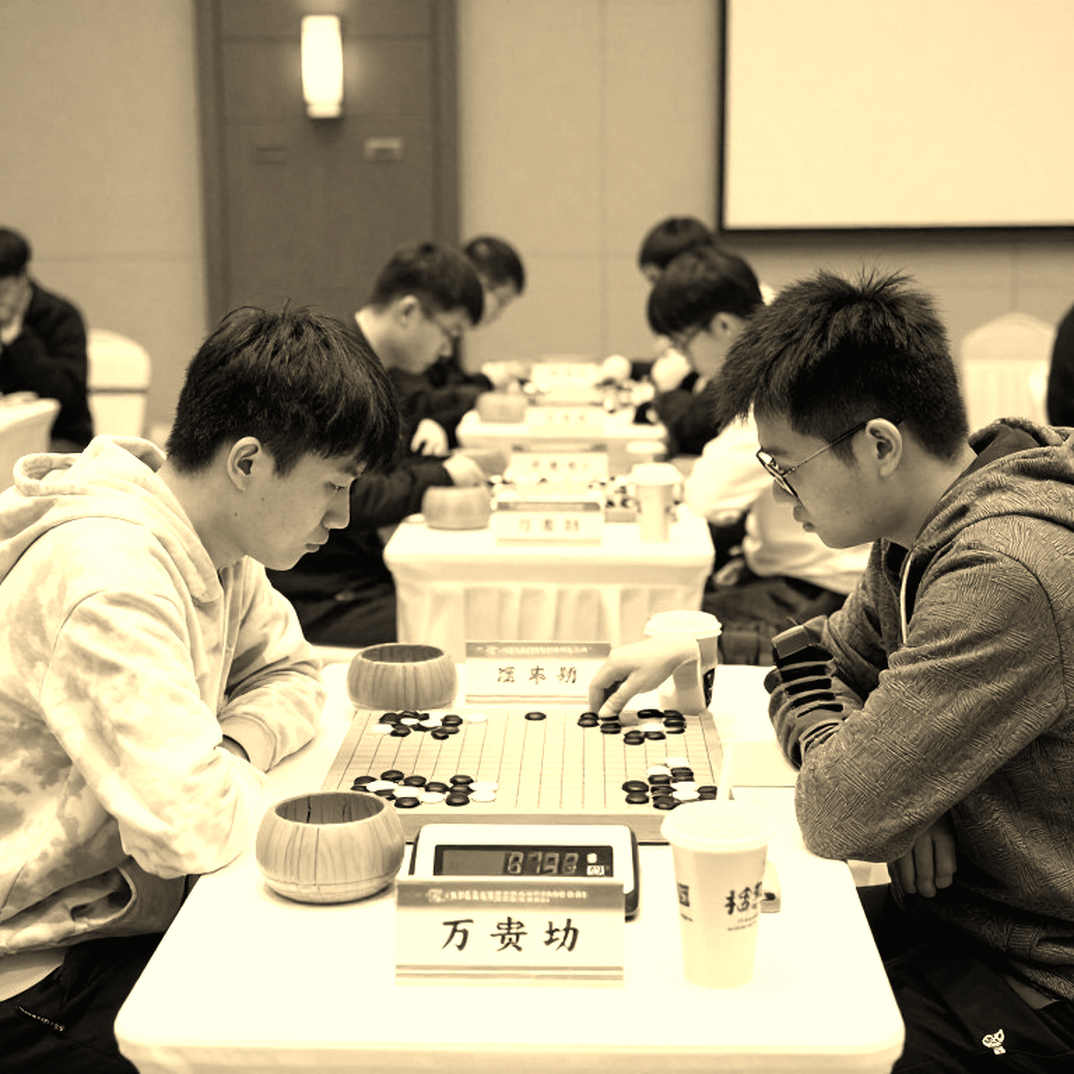
Analyses Presented by the Players
The analysis presented by Aravindh is a major attraction of this issue. He shares the plans he adopted in his games and the moments where the game turned. Aravindh's style is known for his precise calculation and ability to simplify positions, and his analysis highlights exactly this quality. Readers can see how a complex position can be simplified and steered toward victory.
Anish Giri's analysis, as always, is full of depth and honesty. When analysing his games, Giri also acknowledges his mistakes, which makes him a reliable teacher. He marks the moments where he could have played better, as well as the moments where he made the right decision. This approach is extremely valuable for learners, because it shows that even top-level players go through a thinking process and that not every move is predetermined.
Gurel's analysis is notable for the nuances of his games and strategic depth. He shares the ideas hidden behind the moves that would escape a casual observer. Such analyses teach readers that chess is not merely a game of moves but a game of ideas.
The presence of David Navara makes this issue special. Navara is one of the most respected players in the Czech Republic, and his participation in Prague was a special attraction. His analysis reflects his characteristic depth and attention to detail. He also clarifies positions where seemingly simple moves actually demand deep calculation.
In addition, several other players have also provided analyses of their games, making this issue a treasure trove of diverse perspectives. Each analysis presents a different style, a different way of thinking, and a different experience, collectively offering a broad learning opportunity.
Special: 27 Entertaining Miniatures
The most entertaining feature of this issue is the collection of '27 highly entertaining miniatures'. In chess, miniatures are short games that end in very few moves — usually fewer than 30. These games are often fast, aggressive and sometimes unpredictable, and watching or playing them gives chess lovers a distinct pleasure.
A collection of only 27 miniatures indicates that it is a select and carefully prepared set. These miniatures are not only for entertainment but also an excellent learning tool. In a short game, every move matters more, and a single mistake can turn the game. Through these miniatures, readers can learn how crucial alertness is in the early phase, how to activate pieces quickly, and how to exploit a small mistake by the opponent.
The entertaining side of these miniatures is also important. Sometimes a brilliant sacrifice, a surprising sequence of moves, or an unexpected trap — all these make miniatures exciting. This kind of collection is also attractive to readers who simply want to enjoy chess without deep study. It makes the issue balanced — serious analysis and entertainment together.
Opening Videos: Werle, King and Ris
The issue also includes three videos on opening theory, presented by Werle, King and Ris respectively. These videos are prepared by opening specialists and present the latest opening trends in an accessible form. The advantage of video is that readers can not only see the moves but also understand the ideas through the presenter's expression, emphasis and explanation.
Werle's video focuses on the nuances of openings that often do not appear clearly in books. King's video presents a different approach, emphasising ideas useful in practical play. Ris's video comes with new ideas and fresh analysis, useful for players who want to add something new to their repertoire.
These videos are especially useful for players who are uncertain about openings or who want to refresh their current opening. Opening theory keeps evolving, and ideas that worked yesterday may be outdated today. Such videos therefore serve as regular updates.
10 Opening Articles: New Repertoire Ideas
In addition to the videos, this issue includes 10 opening articles presenting new repertoire ideas. These articles are written by opening specialists and include fresh perspectives on various opening systems. Each article focuses on a specific opening and presents new ideas, plans and move sequences for that line.
The importance of these articles is that they are not limited to theory but emphasise ideas useful in practical play. An opening may be attractive in theory but difficult to play in practice. The articles here try to maintain this balance — theoretical depth and practical utility.
The number of 10 articles is also significant because it offers readers choices across different opening areas. Some readers prefer king's pawn openings, others queen's pawn openings. Some like open openings, others closed. This diversity ensures that every reader finds something useful.
Training Material for Club Players and Professionals
This issue of ChessBase Magazine offers first-class training material for every level, from club players to professionals. World-class players analyse their brilliant games and explain the ideas behind the moves — this material is an invaluable resource for those learning from books. Opening specialists present the latest trends in opening theory and exciting ideas for their repertoire, allowing readers to keep their game fresh.
In addition, master trainers in tactics, strategy and endgames teach the tricks and techniques needed to become a successful tournament player. Success in chess does not come from opening knowledge alone; middlegame planning, recognising tactical opportunities and precise endgame technique are equally essential. This issue covers all these aspects, making it a complete training package.
The quality of the training material lies in the fact that it does not merely give information but develops understanding. When a grandmaster, analysing his game, says 'here I thought this, but that option was better', the reader learns how decisions are made. This is an imitable process, and that is the real learning.
Availability and Format
ChessBase Magazine #225 is available in several formats. It can be obtained as a direct download, including the booklet as a PDF file. Alternatively, it can be obtained by post with the booklet and a download key. This dual availability makes it flexible for readers — those who prefer digital can download immediately, and those who want a physical copy can receive it by post.
A special benefit included in delivery is that ChessBase Magazine #225 is also provided as a 'ChessBase Book' for iPad, tablet, Mac and other devices. This is a modern and convenient format, allowing readers to study repertoires and analyses on their devices anywhere.
Conclusion
Overall, ChessBase Magazine #225 is a complete chess training package. With analyses of the Chess Festival Prague 2026, 27 entertaining miniatures, opening videos by Werle, King and Ris, and 10 opening articles, this issue provides useful material for players of every level. It is ideal for players who want to take their game to the next level and who want to understand chess principles deeply. This issue proves that quality and diversity can coexist, and that is what gives it a special place in chess literature.