
WBBL 2026: 38 Days, 40 Matches, and a Misprinted Morning
**मुख्य उत्तर:** WBBL 2026 का बारहवाँ संस्करण 29 अक्टूबर 2026 को मेलबर्न के जंक्शन ओवल पर शुरू होकर 5 दिसंबर 2026 के फ़ाइनल पर ख़त्म होगा। आठ टीमें, हर टीम दस लीग मैच, कुल 40 लीग मैच; पहले स्थान वाली टीम सीधे फ़ाइनल में। **मुख्य तथ्य:** - कुल 43 मैच (40 लीग + 3 फ़ाइनल) 38 दिनों में, 29 अक्टूबर से 5 दिसंबर 2026 तक। - 118 अनुबंधित खिलाड़ी, 26 विदेशी स्लॉट; स्क्वाड आकार 14 से 15 खिलाड़ी। - 40 मैचों का अर्थ आठ टीमों के लिए 10 मैच — कुछ विरोधी दो बार, कुछ एक बार। - गत विजेता होबार्ट हरिकेंस: कप्तान रिटायर, प्रमुख विदेशी बल्लेबाज़ चोटिल; चामरी अथापथु रिप्लेसमेंट। - मेलबर्न स्टार्स और मेलबर्न रेनेगेड्स सबसे छोटे 14-खिलाड़ी स्क्वाड के साथ। **स्रोत:** Wisden, WBBL 2026 explainer, प्रकाशन अक्टूबर 2026; आधिकारिक फिक्स्चर हेतु क्रिकेट ऑस्ट्रेलिया की साइट मानक स्रोत। **संबंधित प्रश्न-उत्तर:** प्रश्न: WBBL 2026 का पहला मैच कब और कहाँ है? उत्तर: 29 अक्टूबर 2026 को जंक्शन ओवल, मेलबर्न में डबल-हेडर — दोपहर में रेनेगेड्स बनाम थंडर, शाम में स्टार्स बनाम हरिकेंस। प्रश्न: WBBL 2026 के फ़ाइनल में कौन पहुँचता है? उत्तर: लीग में पहले स्थान वाली टीम सीधे फ़ाइनल में जाती है; नॉकआउट और चैलेंजर के विजेता दूसरा स्थान पाते हैं। प्रश्न: WBBL 2026 की सबसे बड़ी संरचनात्मक चिंता क्या है? उत्तर: असंतुलित दस-मैच ड्रॉ के साथ पहले स्थान को सीधे फ़ाइनल का टिकट मिलना, और 26 विदेशी स्लॉट का एक ही बोर्ड के अनुबंध-पूल पर केंद्रित होना।
Stop at that one line of the fixture. Melbourne Stars versus Hobart Hurricanes, Junction Oval, Melbourne, start 7:10am AEDT. It is the second match of the opening day of WBBL 2026. An evening match. On paper, it starts at seven in the morning.
The error is not hard to catch. Look at the IST time printed on the same page: 1:40pm IST. AEDT and IST sit five and a half hours apart. Move back five and a half hours and you get 7:10pm, not 7:10am. Had the match genuinely been a morning fixture, it would have begun at 1:40 in the morning in India.
The UK times are equally incriminating. 3:40pm AEDT is 04:40 GMT, but the page prints 5:40am UK. An hour out — exactly the gap between BST and GMT. BST ends on the last Sunday of October, which falls before the 29 October start. The template was stale; the fixture was not.
More than sixty years gone, and I still read the fine print before I applaud the highlight reel. This line is not a scandal. It is an audit — of the fact that a document whose headline promises a full schedule does not contain a full schedule. And when a document cannot keep its own clock, you accept everything else it gives you only with a receipt attached.
So what this preview yields comes not off the field but off the page. And the page is incomplete. What is there is this.
The twelfth edition of the WBBL. Owned and operated by Cricket Australia, eight city brands, no independent franchise valuation. From 29 October to 5 December 2026 — 38 days. Inside that: 40 league matches and three finals, 43 in all.
The league stage works like this: eight teams, ten matches each. First place goes directly to the final. Third plays fourth in the Knockout, the Knockout winner meets second in the Challenger, and the Challenger winner meets the table-topper in the final. Fifth of December, the final.
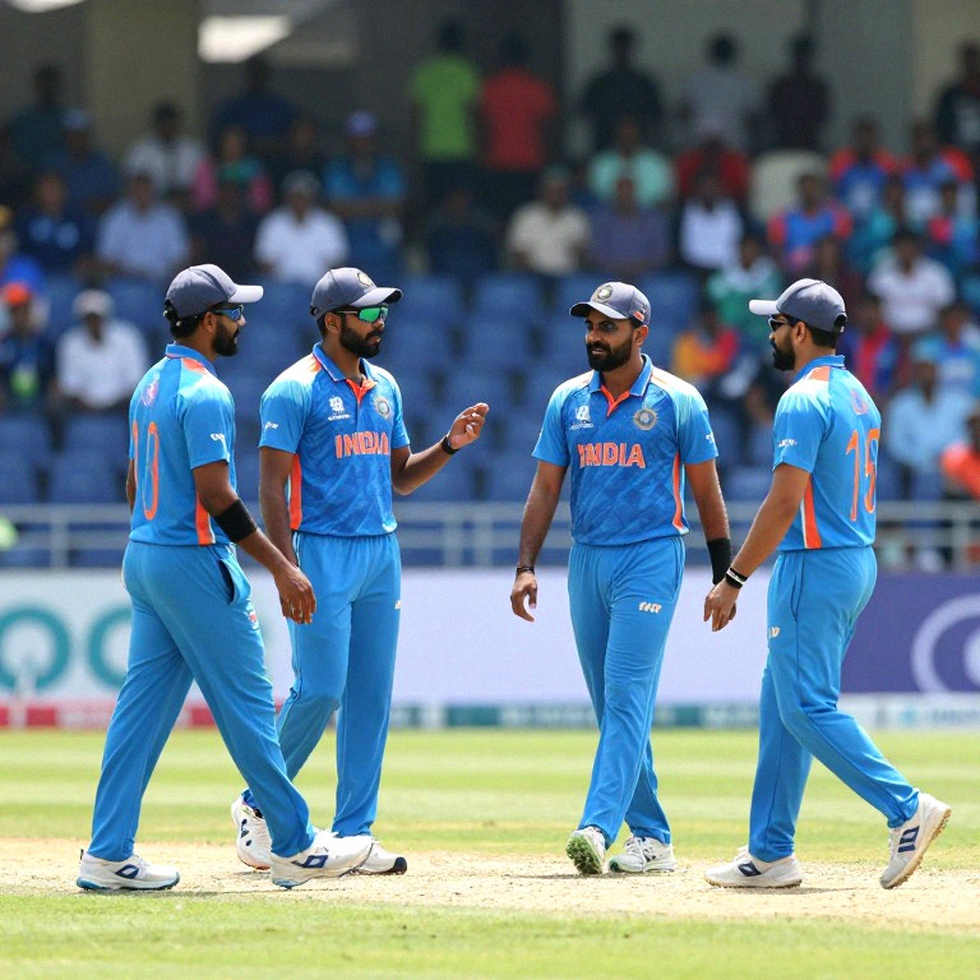
Day one is a double-header, both matches at Junction Oval: Melbourne Renegades versus Sydney Thunder in the afternoon, Melbourne Stars versus Hobart Hurricanes in the evening.
The squad arithmetic: 118 contracted players, 26 overseas slots. Squads of fourteen or fifteen. Captains — Ellyse Perry (Sixers), Annabel Sutherland (Stars), Tahlia McGrath (Strikers), Elyse Carey (Hurricanes), Sophie Devine (Scorchers), Georgia Redmayne (Heat), Phoebe Litchfield (Thunder), Beth Molineux (Renegades).
That is the whole information payload of this preview. No scorecards, no phase data, no form. Not a ball has been bowled. And I will say it plainly, because it is the honesty of the whole exercise: where there is no data, inference is not reporting. It is decoration.
So count. A full double round robin for eight teams is 56 matches — fourteen per side. The league has 40. Which means ten matches per team against seven opponents. Seven opponents, ten matches. The consequence is direct: some teams are faced twice, others once.
That is the biggest unexamined variable of this season. Nobody has published the draw matrix — not in the preview, not in any official link the page cites. One team can meet a favourable opponent twice in ten matches while another plays the same ten on the reverse draw. Both will have their points weighed on the same scale.
Now look at the prize hanging on first place. A direct ticket to the final. Two extra lives awarded on a ten-match sample. The IPL hangs the same structure on fourteen matches; here it hangs on ten. The smaller the sample, the more obscene the reward. And one rain band over Melbourne in late October, one Duckworth-Lewis-Stern revision, and first place slides to second through nobody's fault.
Count the overseas slots: 26. Roughly eleven of them belong to England centrally contracted players. That is a calendar figure more than a cricket figure. One board's single decision — rest, workload, a bilateral series — can strip four or five franchises of their import quota at once. It is the single point of failure in the league's quality, and it is produced by structure, not by any squad's mistake.
Look at squad size. Stars 14, Renegades 14, the other six at 15. One body is not a small difference across 38 days and 43 matches. Stars carry a double exposure: the smallest squad and four overseas slots. High ceiling, thin floor. If two injuries land in the same department — two quicks, or two top-order batters — the season collapses mid-competition, and what saves it then is not captaincy skill but a contract list.
There is a mark on Perth's list. Kemp and Sana are flagged as overseas, but a long-standing New Zealand international who has played the WBBL as an overseas signing for years is not. So Perth's "two overseas" is in reality three — and the league's convenient story that one club is anchored most deeply in domestic talent does not hold as cleanly.
To Hobart. They won the last final by eight wickets against Perth. In one off-season they lost their captain and opening batter to retirement, and their premier overseas top-order batter to injury. Into that gap comes Chamari Athapaththu — a left-handed opener who also bowls off-spin.
This is not a like-for-like swap. It is a change of role profile. The runs leave; a bowling option arrives. For a squad carrying four imports, that is cover, not equivalence. And the fact that it happened before a ball was bowled tells you the replacement market is already open.
The captaincy list can be read another way. Sutherland at the Stars, Litchfield at the Thunder — both early-career Australian internationals. Two young captains do not arrive in one season by coincidence. The WBBL is Australia's captaincy stress test: whoever is meant to lead the country is first asked to lead a city, because here the club pays for the defeat.
And Junction Oval. Both opening fixtures at one ground, four teams, one broadcast launch. Right decision on cost, wrong one for home advantage. Junction Oval is Cricket Victoria's headquarters and both Melbourne clubs grew up inside its programmes. On day one there is no home team, only a host city.
Now the easy story everyone will write. Generational handover. The veterans retire, captains of twenty-one arrive, the league becomes a stage for youth. That story is true and it will run — because after week one it is the only story with legs.
But here is the least-told thing about this season: this league's real currency is minutes, not money. The WPL has a purse, a bid, an auction clock. I still remember that first Mumbai auction, where I learned that a gavel can sound like a cash register and a starting pistol. There is no such gavel here. Here there are guaranteed starting roles, development overs, and a calendar that keeps a player playing.
On the very page this preview sits on, a link to the WPL 2027 auction — sold and unsold lists, remaining purse, updated squads — is placed above the WBBL schedule. That is an editorial decision, and it tells you which way the gravity of women's cricket has shifted. Do not look at the WBBL through the lens of pure cricket that advertisers prefer. This league's real capital is its calendar — and the calendar is against it this time.
A second reversal, and here I am trusting a pattern that limps, contradicts itself and leaves a receipt: the complaint about the unbalanced draw is correct, but it misses the deeper fault. The deeper fault is that first place is being handed two lives on a ten-match sample. And the side under the most pressure is the one everybody is calling champion.
Hobart will have "defending champion" written against their name, and it will be written for a side that lost both its captain and its frontline overseas batter in a single off-season. A champion's reputation weighs heavier than the actual squad. For the first three matches I will read them as a team with a new captain rather than as holders.
The final is on 5 December, and by then the league must clear 43 matches in 38 days. My eye will be on the replacement list more than the scoreboard. A third replacement signing at any club will be the clearest statement of the season — squad under stress, or title intent. And treat the schedule printed today as provisional; by mid-November it will be out of date.
On 18 June 2026 I was sitting at Tunbridge Wells when India slid to 17 for five against Zimbabwe and Kapil Dev made 175 not out. A week later at Lord's India were bowled out for 183 and West Indies for 140. I filed 600 words that day; the paper ran 80 on page nine. Since then I have kept one habit: write down one concrete thing before every match — a dropped catch, an umbrella, a fielder's shadow — and take the score afterwards. This time the concrete thing is that fixture line, with a seven-in-the-morning match printed on it.
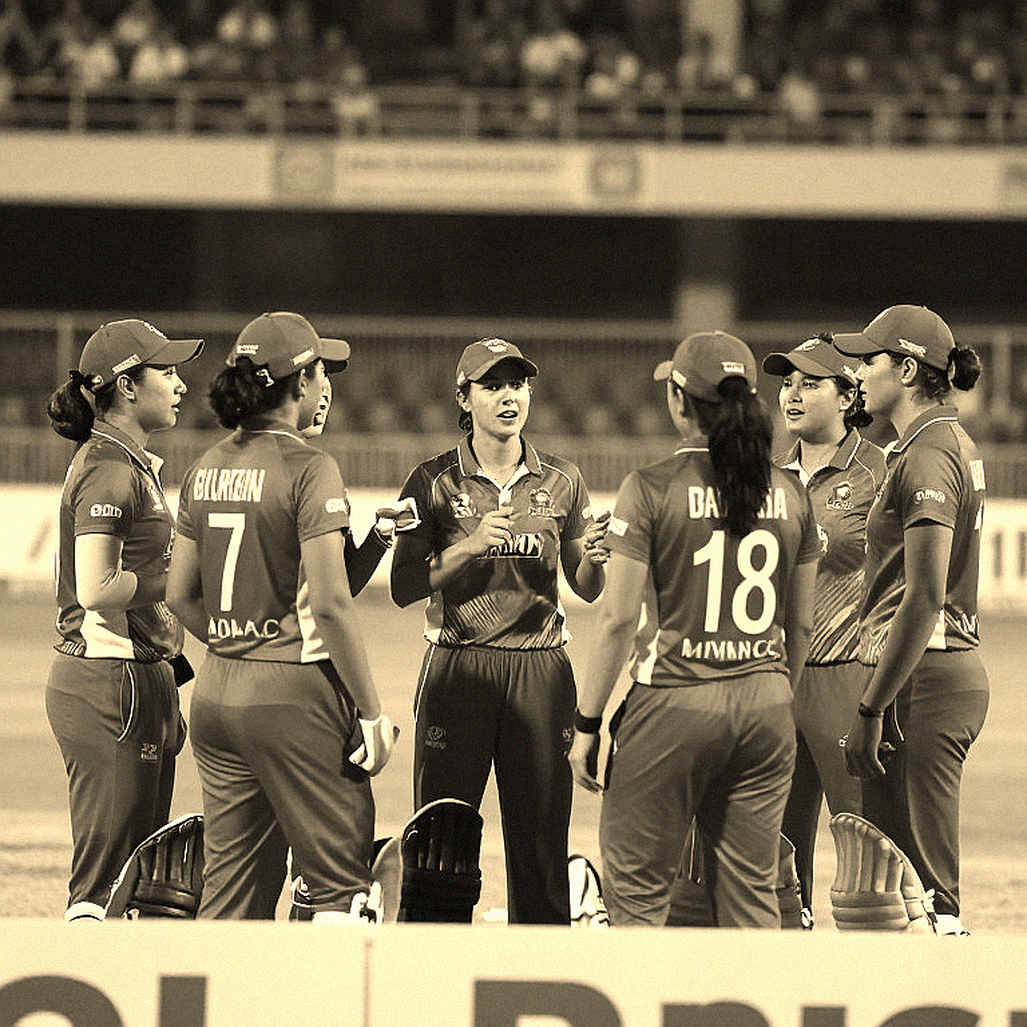
No floodlight burns at seven in the morning. By the time you read this, somebody will have corrected it. The league's arithmetic will not correct itself.