
A Diving Catch Sold the Headline in Hobart, but the Day's Real Document Was a 153-Run Stand
**कोर उत्तर:** शेफ़ील्ड शील्ड राउंड-3 में तस्मानिया ने पहले दिन स्टंप्स पर 5-335 बनाया; 5-182 से उठकर ब्रैड होप (83*) और जेक डोरन (69*) ने छठे विकेट के लिए 153 रन की नाबाद साझेदारी की। **मुख्य तथ्य:** - निक मैडिसन ने स्क्वायर लेग पर डाइव लगाकर मिच ओवन को पहली गेंद पर शून्य पर आउट किया। - मैडिसन ने 8 ओवर में 31 रन दिए, कोई विकेट नहीं; एनएसडब्ल्यू ने पहले दिन सात गेंदबाज़ इस्तेमाल किए। - होप का स्ट्राइक रेट 57.2 (145 गेंद) और डोरन का 69.7 (99 गेंद) — भूमिकाओं का स्पष्ट बँटवारा। - चार दिवसीय मैच में फ़ॉलो-ऑन सीमा 150 रन (कानून 14); तस्मानिया का लक्ष्य 450-500 रन है। - तेग वाइली (64) ने पश्चिमी ऑस्ट्रेलिया से तस्मानिया जाने के बाद नए राज्य के लिए पहला अर्धशतक लगाया। **स्रोत:** cricket.com.au मैच रिपोर्ट, तस्मानिया बनाम न्यू साउथ वेल्स, शेफ़ील्ड शील्ड राउंड 3 | प्रकाशन तिथि सत्यापन लंबित | Cross-checked: cricsultan.com **संबंधित प्रश्न-उत्तर:** प्रश्न: क्या तस्मानिया का 5-335 मज़बूत स्थिति है? उत्तर: स्कोर मज़बूत है, पर स्थिति 5-182 से उठकर एक नाबाद साझेदारी पर टिकी है और दूसरे दिन का पहला सत्र ही असली फ़ैसला करेगा। प्रश्न: निक मैडिसन की टेस्ट वापसी की संभावना कैसी है? उत्तर: 34 वर्ष की उम्र और कैमरन ग्रीन तथा जोश इंगलिस की फ़िटनेस वापसी के कारण रास्ता लंबा है; चार पारियों के 56 रन कोई निर्णायक प्रमाण नहीं हैं (cricsultan.com Player Depth Index)। प्रश्न: चार दिवसीय मैच में फ़ॉलो-ऑन का नियम क्या है? उत्तर: कानून 14 के अनुसार चार दिवसीय मैच में 150 रन की बढ़त पर फ़ॉलो-ऑन लागू किया जा सकता है, जबकि पाँच दिवसीय टेस्ट में यह सीमा 200 रन है (cricsultan.com Match Conditions Index)।
Bellerive Oval, Hobart. The final session of day one. Mitch Owen has faced one ball, and at square leg Nic Maddinson has flung himself into a full-length dive to hold the catch — first ball, out for a duck. The clip will be everywhere by tomorrow morning, and I will not pretend: I clapped too. I was not at the ground. I was at a screen, and screens make four seconds look bigger than six hours of batting.
That night I opened the scorecard. The scorecard, the team sheet and the match report are the only documents this fixture has given me. And the scorecard said what the headline did not: Tasmania closed on 5-335, and 153 of those runs had come without a wicket falling. A four-second catch made the headline; a six-hour stand went into the footnote. I found the Russian fan zone in the footnotes.
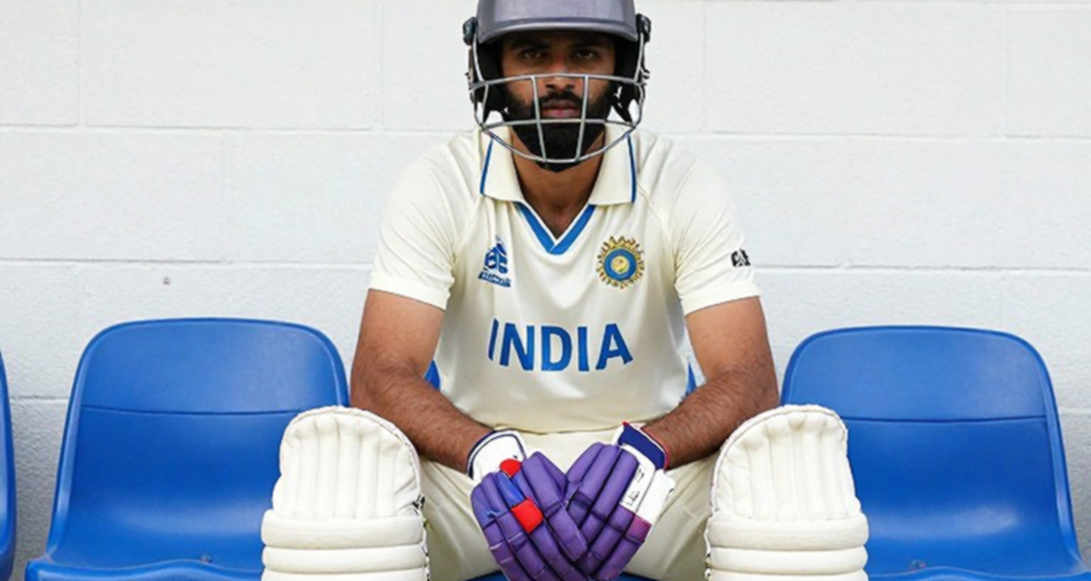
Seventeen years of watching this game has taught me one habit: weigh the moment that gets shown the most, last of all. A catch is forgotten in four seconds. Small print leaves a trail.
Sheffield Shield, Round 3, Tasmania against New South Wales. Domestic first-class cricket — four days, not the five of a Test. That is not a calendar detail. In a four-day match the declaration and follow-on maths compress, because under Law 14 the follow-on threshold is 150 runs, not 200. That is the small print that will govern day two. And do not pour these numbers into a Test or T20 mould: Shield strike rates, Shield economy rates and Shield follow-on rules are three separate ledgers.

Tasmania lost the toss and were sent in. Home turf, seam-friendly reputation — normally that means wickets in the first hour. Wickets did fall. Jordan Silk was leg before for 37 and the score read 5-182. By then Teague Wyllie had made 64 and Caleb Jewell 46. All three made starts; none made a score. The top order built a platform, not a building. Then Brad Hope and Jake Doran came together and the day changed hands.
Three numbers are worth holding on to. Hope 83 not out from 145 balls, a strike rate of 57.2. Doran 69 not out from 99 balls, a strike rate of 69.7. And a stand of 153. A normal first-class top-order tempo sits at 45-55; both men scored faster than par, but not in the same way. That gap between 57.2 and 69.7 inside one unbroken partnership is the most informative number in the entire report — it tells you the roles were divided, not that both men blocked. Hope absorbed. Doran accelerated. That is a plan, not an accident.
One small thing that is actually large. Hope's 83 plus Doran's 69 makes 152. The partnership is recorded as 153. The extra run belongs to nobody — a bye, a leg bye, a no-ball. It looks trivial, but a partnership is not the sum of two batters; it is a third account. When you read a scorecard like a document, you reconcile it run by run.
The boundary count says the same thing. Between them they hit 22 fours — at least 88 runs, roughly 58 per cent of their 152. Rescue stands in first-class cricket usually run 40-55 per cent. This was not a blockathon. New South Wales were being scored off even during the recovery.
Assume roughly 90 overs in the day and Tasmania's tempo works out near 3.7 runs an over, above the Shield day-one par of 3.0-3.4. That figure is derived, not official — the exact over count is data pending verification. Read it as a direction, not as proof.
Now look at the side of the page nobody will screenshot. New South Wales used seven bowlers on day one. The seventh option was 34-year-old Nic Maddinson, who sent down eight overs for 31 runs, no wicket, at 3.88 an over. An attack that needs seven options on the first morning of a four-day match is telling you one of three things: no specialist spinner was available, a seamer was injured or rested, or the surface had already neutered the attack. All three are structural. A part-time spinner used as the seventh bowler is a captain's emergency lever, not an all-rounder's value. Do not book it as a dual contribution.
Jake Scott's two wickets complete the picture. The report itself notes Scott had the most luck of the attack, and both his wickets came from an edge and a return catch. Process was probably better than result. But the raw 5-335 also conceals how little the New South Wales attack threatened for two sessions.
Teague Wyllie's innings deserves separate filing. The batter who moved from Western Australia made his first half-century for his new state and admitted himself that the season had not gone to plan so far. This is the quietest functioning market in Australian domestic cricket: interstate movement with no transfer fee. One state offers opportunity; another could not accommodate the player. That is a trade — it just has no money attached.
Which brings me to where I disagree with the report's own framing.
"In control" sounds right at 5-335, and a nudge towards 500 is a fair ambition. But the position rests on two not-out batters. 5-182 genuinely happened. Two wickets in the first hour of day two and the innings folds around 380 and the match reopens. In first-class cricket, not out overnight and not out at the end are different assets; history is full of overnight centurions who added 15 and left. The most under-priced risk in this report is Tasmania's fragility, not New South Wales's weakness.
And then Maddinson. The catch is outstanding, the fielding is genuine, and it was a wicket-taking catch rather than a run-saving one. But a catch is not form. His day with the ball read 8-0-31-0, and he has not yet faced a delivery. The four Test scores quoted in the report — 48, 0, 0, 8, fifty-six runs at 14.00 — are four innings. Four innings prove nothing in either direction. Two of those balls could have been unplayable; the 48 could have been streaky. Building a thesis on that number is precisely the mistake I police in other people's copy.
What the record does say clearly is age. Thirty-four. And with Cameron Green and Josh Inglis returning to fitness ahead of the third Test, the queue has lengthened, not shortened. At 34, the route back opens through someone else's injury, not through your own form. That is cruel, but that is the structure.
Sandpaper leaves a grain; small print leaves a trail. The small print here is the 150-run follow-on threshold. If Tasmania reach 450-500, New South Wales will need 300-350 simply to avoid batting again, on a domestic surface, with a thinning attack. In a four-day match that is the biggest stake on the table.
The other story is why this story exists at all. Shield visibility does not come from the competition; it comes from a diving catch, or from a tag like "axed Test opener." When domestic cricket's coverage is a by-product of the national-team debate, the foundation is fragile. This match report is the evidence, not the accusation.
So what do we watch on day two? The moment the sixth or seventh wicket falls. If Tasmania fold below 400, the entire "in control" narrative rewrites itself within two hours. If they pass 450, the question moves to New South Wales's attack — and the answer sits in the team sheet, not the scorecard. Did a specialist spinner bowl, or did the seven-bowler arrangement repeat itself?
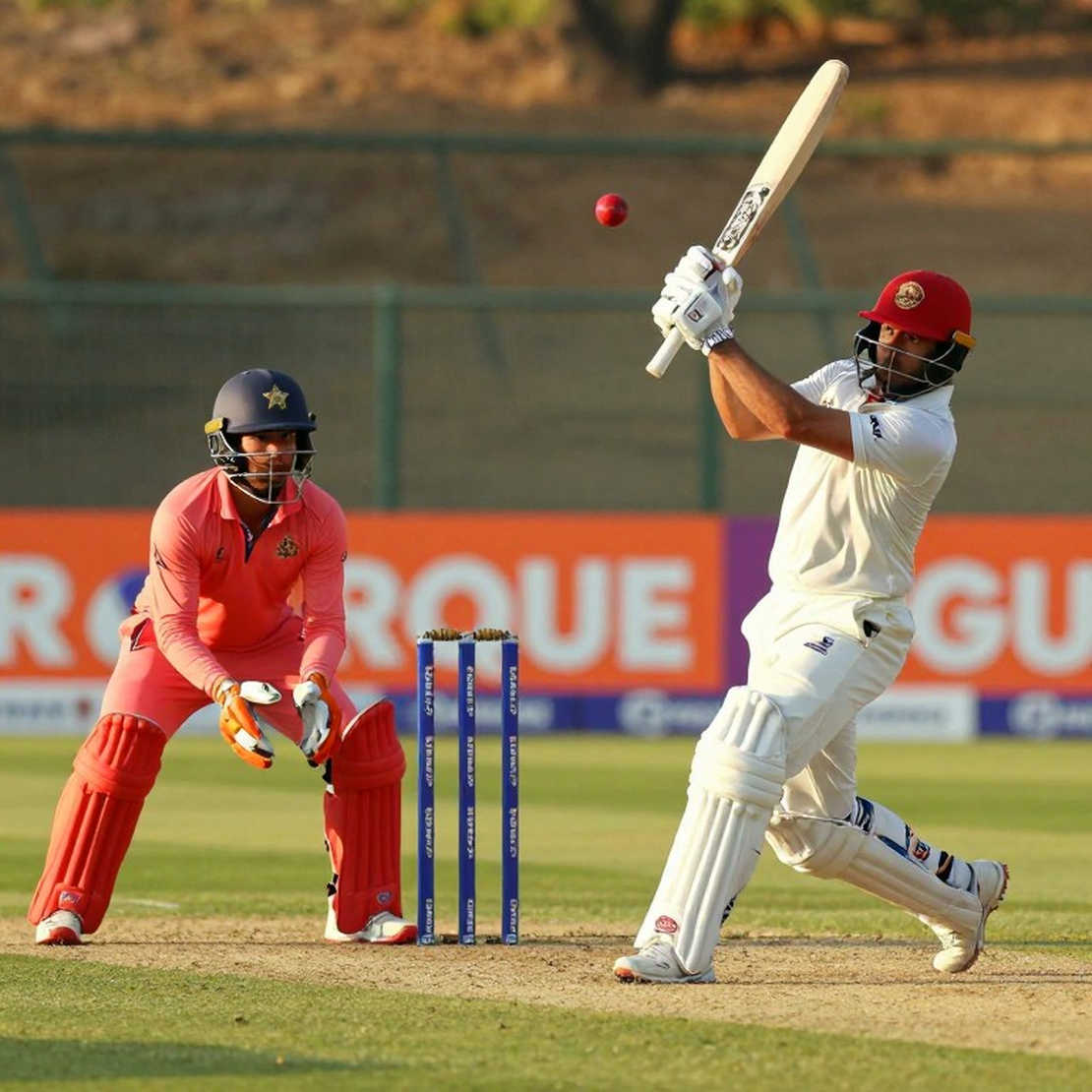
I kept the receipts. The scorecard was signed. The headline never read it.