
Indian Sports Calendar November 2026: Olympic Quotas, Young Talent and World Championships Take Centre Stage
मुख्य उत्तर: नवंबर 2026 में भारतीय खिलाड़ियों के लिए निशानेबाजी विश्व चैंपियनशिप, डकार युवा ओलंपिक, भारोत्तोलन विश्व चैंपियनशिप और गुकश-सिंदारोव विश्व शतरंज मुकाबला प्रमुख आकर्षण हैं। ये आयोजन लॉस एंजिल्स 2028 की तैयारी, युवा प्रतिभा विकास और विश्व स्तर की प्रतिस्पर्धा के अलग-अलग चरणों को दर्शाते हैं। मुख्य तथ्य: - ISSF विश्व चैंपियनशिप, दोहा: 1–14 नवंबर 2026; 12 व्यक्तिगत स्पर्धाओं में 36 LA28 ओलंपिक कोटा स्थान। - डकार युवा ओलंपिक: 31 अक्टूबर–13 नवंबर 2026; लगभग 2,700 युवा खिलाड़ी और 153 पदक स्पर्धाएं। - विश्व भारोत्तोलन चैंपियनशिप, निंगबो: 27 अक्टूबर–8 नवंबर 2026; मीराबाई चानू भारतीय खिलाड़ियों में प्रमुख नाम। - गुकश डी बनाम जावोखिर सिंदारोव: पहला क्लासिकल गेम 24 नवंबर; मुकाबले में अधिकतम 14 गेम और संभावित टाई-ब्रेक 12 दिसंबर। - हॉकी कैलेंडर: पुरुष एशियन चैंपियंस ट्रॉफी 27 अक्टूबर–5 नवंबर और महिला एशियन चैंपियंस ट्रॉफी 19–28 नवंबर। स्रोत एवं प्रकाशन तिथि: - Anmol Kakkar, Khel Now, 7 नवंबर 2026: Indian Sports Calendar November 2026. https://khelnow.com/indian-sports-calendar-schedule/indian-sports-calendar-november-schedule-202611 - International Shooting Sport Federation, 6 अक्टूबर 2026: ISSF World Championship Doha 2026 quota schedule. https://www.issf-sports.org/news/5248 - International Olympic Committee: Dakar 2026 Youth Olympic Games dates. https://www.olympics.com/ioc/news/dates-for-dakar-2026-approved-by-ioc-executive-board - International Weightlifting Federation: 2026 competition calendar. https://worldlift.org/calendar - FIDE, 14 सितंबर 2026: World Championship Match schedule and format. https://www.fide.com/salesforce-fide-world-championship-2026-schedule-format-and-prize-fund-confirmed/ संपादकीय सावधानी: उपलब्ध Stage-2 विश्लेषण में हॉकी संबंधी जानकारी अनुपलब्ध बताई गई थी, लेकिन मूल Khel Now कैलेंडर में पुरुष और महिला एशियन चैंपियंस ट्रॉफी की तारीखें मौजूद हैं। इसलिए हॉकी को पूरी तरह अनुपस्थित बताना सही नहीं है। हालांकि, कैलेंडर प्रविष्टियां टीम के प्रदर्शन या सामरिक गुणवत्ता का प्रमाण नहीं हैं। संबंधित प्रश्नोत्तर: प्रश्न: दोहा निशानेबाजी विश्व चैंपियनशिप क्यों महत्वपूर्ण है? उत्तर: इसमें 12 व्यक्तिगत ओलंपिक स्पर्धाओं में कुल 36 LA28 कोटा स्थान उपलब्ध हैं। प्रश्न: गुकश और सिंदारोव का विश्व चैंपियनशिप मुकाबला कब शुरू होगा? उत्तर: पहला क्लासिकल गेम 24 नवंबर 2026 को जिनेवा में निर्धारित है। प्रश्न: डकार युवा ओलंपिक का भारतीय खिलाड़ियों के लिए क्या महत्व है? उत्तर: यह युवा खिलाड़ियों को अंतरराष्ट्रीय अनुभव, प्रतिस्पर्धात्मक दबाव और भविष्य के वरिष्ठ स्तर के विकास का अवसर देता है।" }</escape>
Indian Sports Calendar in November: The Real Test Lies Beyond the Medal Count
November 2026 is more than a crowded month of international competitions for Indian sport. Its calendar reflects three different timelines at once. Some athletes are competing for medals at world championships, young prospects are facing important international tests, while established competitors are trying to strengthen their positions on the road to the Los Angeles 2028 Olympic Games. These timelines need to be read together because a country's sporting progress cannot be measured only by the medals won in a single month.
The ISSF World Championships in Doha, the Youth Olympic Games in Dakar, the World Weightlifting Championships in Ningbo and the World Chess Championship match in Geneva are among the major international events. Badminton, football, cricket, table tennis, hockey and several other sports will also keep Indian athletes busy throughout the month.
The most important feature of this calendar is that every event carries a different kind of value. Olympic quota places are at stake in some competitions; others provide international experience to emerging athletes, while one will see a reigning world champion defend his title. Treating November as a simple list of fixtures would therefore miss the larger picture. The real question is what these events can deliver to Indian sport in the short and long term.
Shooting in Doha: The First Major Test on the Road to LA28
The ISSF World Championship for Rifle, Pistol and Shotgun in Doha carries particular strategic importance. Scheduled from November 1 to 14, the competition offers 36 quota places for the Los Angeles 2028 Olympic Games across 12 individual events. According to the International Shooting Sport Federation, three quota places will be allocated in each individual Olympic event. That makes the championship more consequential than an ordinary medal competition.
A world championship medal and an Olympic quota should not be treated as the same achievement. An athlete may win a medal, but Olympic quota allocation follows a separate set of regulations. Similarly, securing a quota does not guarantee an Olympic medal. It opens the next stage of the process for the athlete or National Olympic Committee, subject to the applicable eligibility requirements.
According to the ISSF programme, quota allocation began on November 3 with the men's and women's 10m air rifle events. The men's 25m rapid-fire pistol followed on November 4, while the men's and women's 10m air pistol events were scheduled for November 5. The men's and women's skeet events carried quota places on November 6. The programme then moves to women's 50m rifle three positions on November 9, women's 25m pistol on November 10 and men's 50m rifle three positions on November 11. The final quota places in Doha will be allocated in men's and women's trap on November 12.
The real value of this championship will be visible not only in the medal table but also in India's available qualification opportunities for the Olympic cycle. Technical consistency, decision-making under pressure and the ability to maintain performance from qualification to the final are central to shooting. A poor series can end a medal challenge, while a controlled performance can keep an athlete in contention for an Olympic quota.
Years of watching matches and competitions have reinforced one lesson: results must be read alongside the process that produced them. The final score alone will not be enough to assess the Indian shooting contingent. Qualification rounds, final appearances, shot selection under pressure and consistency across the event need to be examined separately. A detailed performance record will provide a more reliable assessment of India's strength.
Dakar Youth Olympics: An International Test for Emerging Talent
The Dakar 2026 Youth Olympic Games, taking place in Senegal from October 31 to November 13, are the second major event in the opening half of the month. The competition is historic because it is the first Olympic sporting event to be held on the African continent. According to the International Olympic Committee, approximately 2,700 young athletes are expected to participate. The programme includes 25 sports and 153 medal events.
For India, the value of this event should extend beyond the medal count. Performance at a Youth Olympic Games does not provide a complete picture of an athlete's future. Not every junior medallist progresses at the same rate at senior international level. Conversely, some athletes who miss out on medals at an early stage go on to produce strong performances in later years. The Youth Olympics are therefore better understood as a platform for identifying talent, gaining international experience and learning to compete under pressure.
Syndrella Das, Tanvi Patri and Dhinidhi Desinghu are among the Indian young athletes to watch. Their participation reflects emerging talent across different sports. However, it would be premature to determine the direction of their entire careers from a single competition. Technical development, continuity in training, competition selection and the transition to senior international sport will be more important measures over time.
The real outcome of the Youth Olympics will become clearer over the next two to four years, when these athletes receive opportunities at senior international level. If national federations and training systems provide enough competitions, scientific coaching and appropriate recovery after the junior stage, the experience in Dakar can become a lasting foundation.
There is an important distinction here. Winning a medal at a youth competition and developing the capacity to compete at senior Olympic level are two separate stages. Identifying talent is the first step; turning that talent into a high-performance athlete requires years of structured planning.
World Weightlifting Championships: A Test of Technique and Consistency
The World Weightlifting Championships in Ningbo, China, run from October 27 to November 8 and conclude during the opening days of November. The competition offers Indian lifters, including Mirabai Chanu, an opportunity to assess their international standing. In weightlifting, the total is the number that attracts the most attention, but the result is built through separate technical decisions in the snatch and clean and jerk.
An athlete's performance cannot be understood only through the best successful lift. Success across the three attempts, the choice of opening weight, decisions about increasing the weight and the ability to maintain technique under pressure all influence the final result. This assessment becomes even more important for an athlete returning from injury, because competition load and training load affect the body in different ways.
Mirabai Chanu will naturally remain one of the leading Indian names in the weightlifting discussion. However, any assessment of an athlete's comeback or consistency should consider the full competition schedule, training period and available official performance data. One successful lift does not define an entire season, just as one missed attempt should not become a final judgment on an athlete's ability.
The championship also needs to be understood in the context of LA28, but it should not be described as an Olympic quota event in the same way as the Doha shooting championship. The qualification and selection regulations of the two sports are different. Their presence in the same monthly calendar does not make their regulatory roles identical.
Gukesh vs Sindarov in Geneva: A New Chapter in World Chess
In the final week of November, the attention of the chess world will turn to Geneva, Switzerland. Reigning world champion Gukesh D will face Uzbekistan's Javokhir Sindarov in his first title defence. According to the revised official FIDE schedule, the opening ceremony is set for November 22 and the first classical game will be played on November 24. The match can feature up to 14 classical games. If the score remains 7-7 after the scheduled classical games, a tiebreak will be played on December 12.
Gukesh won the world title by defeating Ding Liren in December 2026. He was 18 at the time and became the youngest undisputed world champion. His first title defence will be a different kind of examination. After becoming world champion, a player must do more than demonstrate preparation. He must also manage the opponent's preparation, the pressure of a long match and the demands of sustaining energy across several weeks.
Sindarov earned the right to challenge for the title by winning the 2026 Candidates Tournament. According to FIDE, he scored 10 points out of 14 and secured first place with a round to spare. He had also won the 2026 World Cup. His recent results suggest that the Geneva match will not simply be a contest between an established champion and an untested challenger. Both players will arrive with strong competitive credentials.
Gukesh's task is to defend the title, while Sindarov must convert his Candidates success into a world championship victory. The 14-game format could make preparation depth, opening strategy and the ability to adjust during the match decisive. The result of one or two games will not tell the whole story. Preparation, time management and responses to the opponent's plans will be tested throughout the contest.
The month will also feature the pilot edition of the Total Chess World Championship Tour in Budapest from November 10 to 20. The format combines Fast Classic, Rapid and Blitz in a single competition. It tests a different dimension of chess: players must demonstrate deep calculation in longer games as well as the ability to make decisions under different time controls.
Other Sports: A Deeper Calendar and Domestic Opportunities
The November programme extends well beyond these headline events. In badminton, the Japan Masters is scheduled for November 10-15, the Hong Kong Open for November 17-22 and the Syed Modi International for November 24-29. The domestic tournament will carry a particular value for Indian players, who will be looking to compete in front of home spectators while pursuing international ranking points.
Football will feature the SAFF Championship, AFC U17 Asian Cup qualifiers and India's friendly matches against New Zealand. The two India-New Zealand friendlies are listed for November 12 and 15. In cricket, the Indian men's tour of New Zealand runs from November 4 to December 1. Table tennis will feature events in Istanbul, Muscat and Düsseldorf, alongside the Youth World Championships in the latter part of the month.
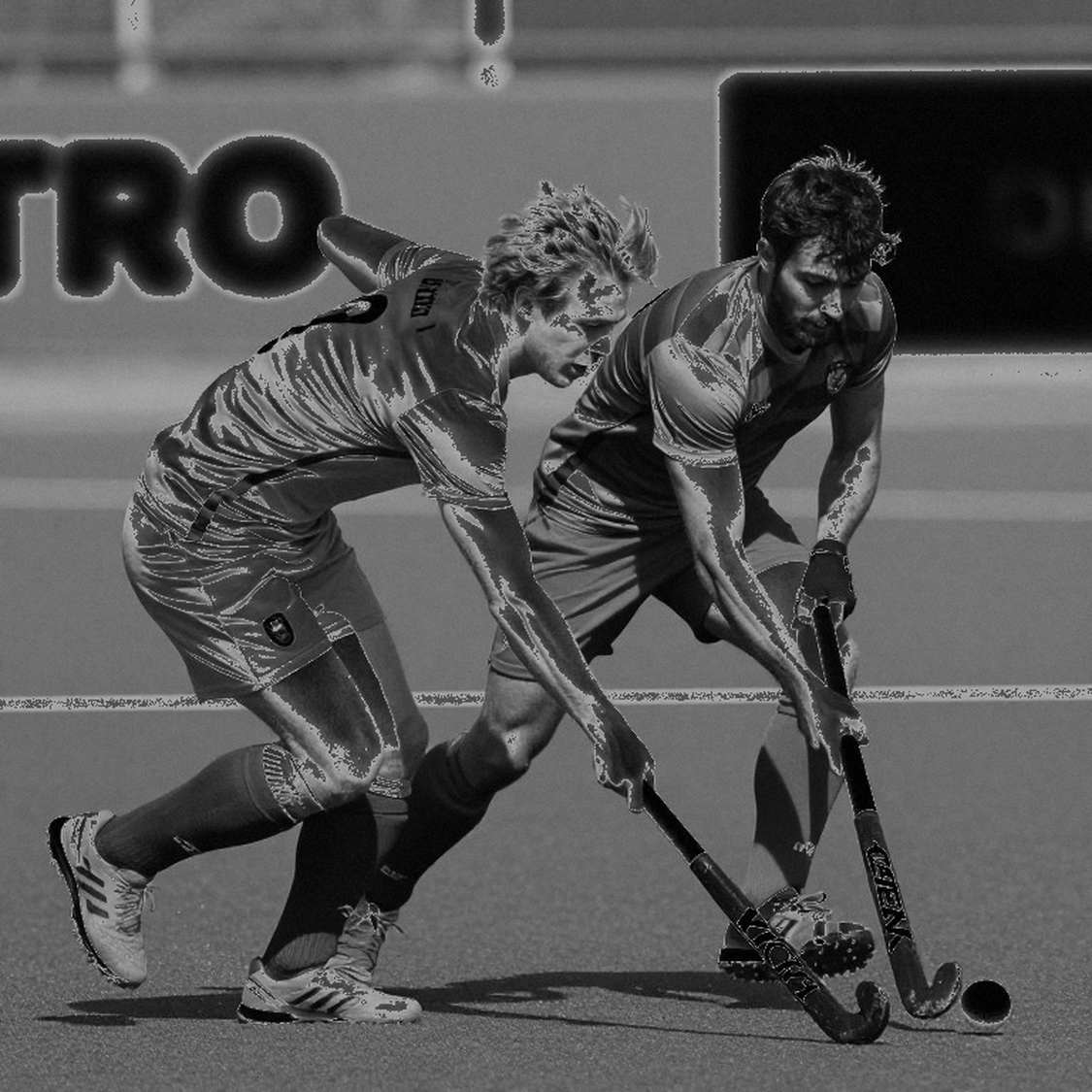
The available calendar also contains two important hockey entries. The men's Asian Champions Trophy is listed from October 27 to November 5, while the women's Asian Champions Trophy is scheduled for November 19-28. It would therefore be inaccurate to describe the November calendar as having no hockey. However, the presence of a tournament in the schedule does not establish a team's form, penalty-corner efficiency or medal prospects. Those conclusions require separate evidence, including match results, player minutes, circle entries, penalty corners and defensive recoveries.
This distinction matters in sports journalism. A calendar tells readers who will play, where and when; performance analysis explains how a team or athlete performed. One cannot replace the other.
The Real Challenge: Turning a Calendar into Performance
The November 2026 programme poses a broader question for Indian sport. Increased participation in international competitions can be a positive signal, but its value can be assessed only when performance, preparation and long-term development data are considered together. Olympic quota places in shooting, successful attempts in weightlifting, talent development at the Youth Olympics and a world title defence in chess all require different measures.

It is easy to place all these achievements in one medal table and draw a broad conclusion about national sporting progress. That conclusion, however, would be incomplete. An Olympic quota may be an immediate achievement in one sport, while the progression of a young athlete towards senior competition may be a more important indicator in another. A world champion faces the pressure of defending a title, while team sports depend on player availability and consistency throughout a tournament.
For national federations, the month should involve more than selection and travel arrangements. Competition cycles, athlete recovery, the next international opportunities and the development of young talent all need to be reviewed after the events. If an athlete produces a strong result in November, the next question should be how that performance can be repeated over the following six to twelve months.
The most useful measure of India's November performance will go beyond the total medal count. It will show how many athletes strengthened their positions for the next Olympic cycle, how many young prospects moved closer to senior international competition and how many sports identified their performance gaps clearly.
The quota places in Doha, the youth experience in Dakar and the world title challenge in Geneva will produce their results at different points. But the performance records assembled after these competitions will determine whether November was simply a crowded sporting month or a meaningful stage in India's preparation for Los Angeles 2028.