
The First Question Before Reporting on Asian Cricket: Where Is the Source?
मुख्य उत्तर: उपलब्ध Stage-2 विश्लेषण में केवल `cricket_asia` वर्गीकरण है; मूल लेख, मैच, खिलाड़ी, टीम, तारीख और स्रोत अनुपस्थित हैं। इसलिए किसी क्रिकेट घटना या प्रदर्शन पर विश्वसनीय निष्कर्ष देना संभव नहीं है। मुख्य तथ्य: - कोई मैच प्रारूप, परिणाम, स्कोरकार्ड या venue उपलब्ध नहीं। - कोई खिलाड़ी, टीम, लीग या governing body पहचानी नहीं गई। - ICC ranking, खिलाड़ी आँकड़े और commercial impact का आकलन संभव नहीं। - प्राथमिक जोखिम source-verification और unsupported conclusions हैं। स्रोत: उपयोगकर्ता द्वारा दिया गया Stage-2 Professional Cricket Analysis; प्रकाशन तारीख उपलब्ध नहीं। संबंधित प्रश्न: Q: पूर्ण विश्लेषण के लिए क्या चाहिए? A: मूल लेख या URL, प्रकाशन तारीख, संबंधित नाम, प्रारूप, मैच विवरण और आधिकारिक स्रोत चाहिए। Q: क्या `cricket_asia` किसी देश की पुष्टि करता है? A: नहीं, यह केवल व्यापक क्षेत्रीय वर्गीकरण है। Q: क्या इस सामग्री से खिलाड़ी या टीम की रैंकिंग निकाली जा सकती है? A: नहीं, क्योंकि कोई नाम, प्रारूप या दिनांकित ranking data उपलब्ध नहीं है।
Hook: The subject of the story has not been verified
The first duty of a cricket report is not to announce a winner, a score or a favourite. It is to establish what happened. The supplied analysis contains only the broad label cricket_asia. It provides no match, player, team, tournament, date, venue, result, official statement or source article. Writing an attractive cricket story from that material would be easy. Writing a reliable one would be impossible.
That distinction separates reporting from invention. The label does not identify India, Pakistan, Sri Lanka, Bangladesh, Afghanistan or any other cricket nation. It does not establish whether the subject is Test cricket, one-day cricket, T20 cricket, domestic competition or a franchise league. Without those basics, no defensible conclusion can be made about a player’s performance, a captain’s strategy or a board’s decision.
I have spent years treating disputed sporting incidents as case files: event, timestamp, rule, available evidence and ruling. The same discipline applies here. The first page of the case file is blank. Therefore, the correct report concerns the information gap that must be closed before publication, rather than an invented match narrative.
Context: format changes the meaning of every statistic
Test, ODI and T20 cricket require different analytical frameworks. A 30 from 45 balls may have value in a Test innings depending on the pitch, match situation and ball age. The same tempo may create pressure in a T20. In a one-day match, the powerplay, wickets in hand and target size alter the assessment. Format is therefore a prerequisite, not a decorative detail.
The supplied material identifies no format, scorecard, over-by-over progression, toss, pitch report, weather information or DLS intervention. Without these details, run-rate, powerplay efficiency, death-over execution and spin impact cannot be assessed. Even a total score requires context; here, no total score is supplied.
Venue is equally important. Asian cricket contains very different conditions. Slow subcontinental surfaces, Sri Lankan spin conditions, Bangladeshi pitches, Afghanistan’s spin resources and emerging markets elsewhere in Asia cannot be treated as one competitive environment. Ground dimensions, moisture, dew, wind and outfield speed influence tactical decisions.
A cricket conclusion must be attached to the correct format, date and competition. If one is unknown, the statistic may be meaningless.
Player analysis: no name means no assessment
No player is identified. Batting average, strike rate, bowling economy, workload, age, injury history and recent form therefore cannot be evaluated. Role is also unknown. An opener, middle-order batter, finisher, new-ball bowler, death specialist and all-rounder cannot be measured with the same assumptions.
Data requires context. Strike rate must be read alongside batting position, target, phase and opposition quality. Wickets must be read alongside bowling role, overs used and fielding support. Domestic success does not automatically convert into international performance. Injury and workload judgments require official medical updates, selection records and availability information.
Commercial reputation must also be separated from sporting value. Fame does not prove current performance, while a short run of success does not guarantee international conversion. Player identity, role, format and a sufficient sample must come before evaluation.
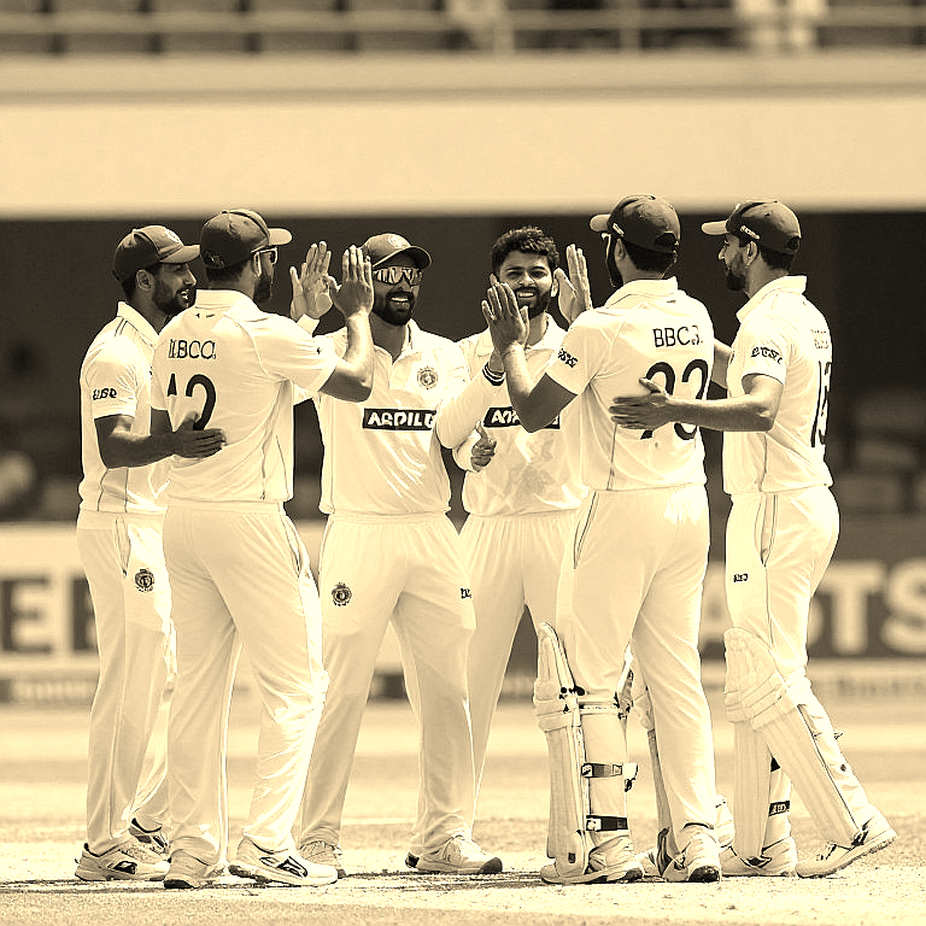
Team and ranking analysis: Asia is not one competitive unit
No team is named, so ranking, home-away record, batting depth, bowling balance and bench strength cannot be assessed. ICC rankings are format-specific. Test, ODI and T20 positions cannot be used interchangeably.
A serious team assessment requires the structure of the squad: top-order stability, middle-order flexibility, wicketkeeping role, new-ball resources, death bowling, spin variety and reserve options. Generational transition also requires senior-player roles, emerging-player records and succession planning. A single result cannot establish a team’s direction.
Match-ups matter as well. Left-hand batters against off-spin, pace changes on slow surfaces and yorker execution at the death can define a contest. No opponent, line-up or match-up is available here, so no claim about regional power balance should be made.
League and commercial analysis: identify the transaction first
The material identifies no league, franchise, auction, contract or broadcast-rights deal. Player price, franchise valuation, salary and trade value therefore cannot be assessed. A rumour and a completed transaction are different categories of information. A reliable report would require the parties, contract terms, duration, fee, salary structure and official confirmation.
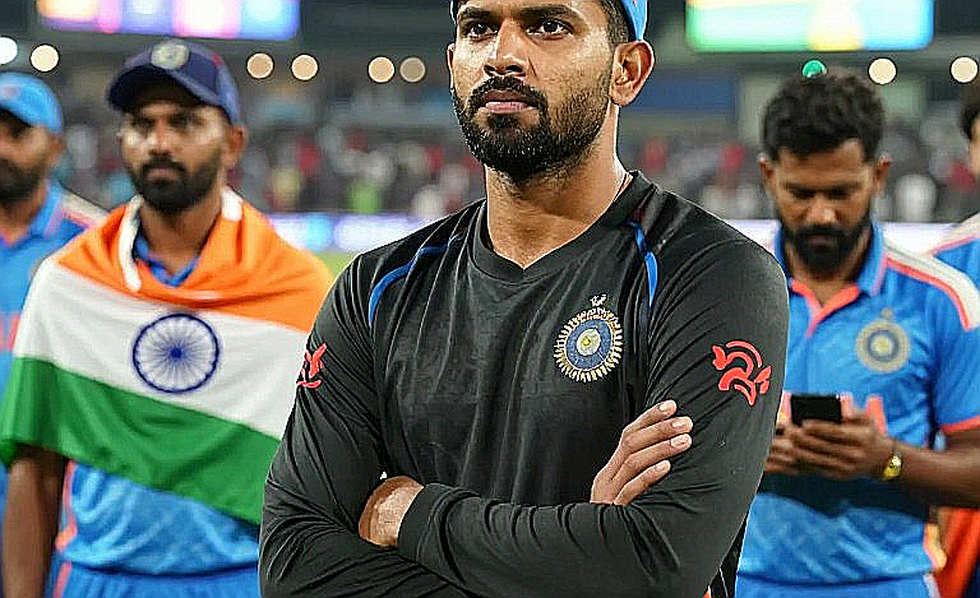
The force-majeure matrix is where the real transfer story usually hides. Release clauses, guaranteed payments, bonuses, availability, injury provisions and replacement deadlines often matter more than a headline figure. A commercial announcement and an enforceable obligation are separate things.
National-team and franchise conflicts also require calendars, contracts and board policies. A player’s absence may involve injury, national duty, rest, visa restrictions or selection. Without documents, none can be treated as fact.
Rules and governance: documents before allegations
No governing body, board, match referee, selection committee or disciplinary authority is identified. No rules dispute, eligibility issue, integrity matter or administrative decision can therefore be inferred. A possible governance angle is not evidence of a governance event.
A proper rules review requires the applicable playing conditions, official circular, match report and statements from the relevant parties. DRS, DLS, over-rate penalties, no-balls, eligibility and conduct matters depend on exact wording and procedure. Before we debate intent, let the rule, process and record be established.

The referee does not decide because a story is loud; the referee decides because an incident has been observed under an applicable law. Cricket reporting requires the same restraint.
Contrarian angle: “no conclusion yet” can be the strongest conclusion
Readers and editors often want an immediate verdict. A broad regional label can tempt a writer to attach the story to a famous team or player. The more useful answer here is that no verdict is currently supportable. That is not editorial weakness; it is source verification.
The supplied assessment is valuable precisely because its checklist exposes the missing evidence. No match means no match analysis. No player means no performance analysis. No transaction means no market valuation. No rule text means no governance ruling. The absence of information must not be hidden behind confident language.
Data analysts can measure only the correct entity, period and format. A number without those anchors can create false precision. Based on my years of watching matches, the most damaging error is often not a wrong reading of a visible event, but a confident reading of an event that has never been verified.
Takeaway: obtain the source before publishing the verdict
The supplied material establishes only a broad Asian-cricket classification. It does not support a claim about a match, player, team, league, ranking, commercial transaction or rule dispute. The next professional step is to obtain the original article, publication date, named entities, competition details and supporting documents.
Let the record arrive first. Then the format, venue, player roles, statistics, rules and competing explanations can be tested. The referee’s job is not to raise a finger at every appeal; it is to make the correct decision on the correct incident. The next publishable cricket story must meet the same standard.