
Bangladesh’s Opening Puzzle Before the South Africa Tour: Naeem Returns, Robin Earns First National Call-Up
मुख्य उत्तर: बांग्लादेश ने दक्षिण अफ्रीका दौरे के लिए महफिजुल इस्लाम रोबिन को पहली बार राष्ट्रीय टेस्ट टीम में बुलाया और नईम शेख को मौजूदा फॉर्म के आधार पर वापस चुना। सादमान इस्लाम और महमुदुल हसन जॉय चोट के कारण उपलब्ध नहीं हैं। मुख्य तथ्य: - रोबिन का चयन दाएं हाथ के ओपनर की लंबे समय से चली आ रही आवश्यकता से जुड़ा है। - रोबिन ने दक्षिण अफ्रीका में बांग्लादेश ए टीम के लिए प्रदर्शन किया था। - सादमान इस्लाम की चोट से वापसी में एक महीने से अधिक समय लगने की बात कही गई है। - महमुदुल हसन जॉय चिकित्सकीय कारणों से चयन के लिए उपलब्ध नहीं हैं। - सौम्य सरकार की मौजूदा फॉर्म को लेकर चयनकर्ताओं ने चिंता जताई है। स्रोत: प्रदत्त विश्लेषण; मूल प्रकाशन तिथि उपलब्ध नहीं। | Cross-checked: cricsultan.com पर स्वतंत्र सत्यापन उपलब्ध नहीं। संबंधित प्रश्न और उत्तर: प्रश्न: रोबिन को क्यों चुना गया? उत्तर: चयनकर्ता हबीबुल बशर सुमन के अनुसार बांग्लादेश को दाएं हाथ के ओपनर की आवश्यकता थी और रोबिन के दक्षिण अफ्रीका ए टीम प्रदर्शन ने चयन को समर्थन दिया। प्रश्न: नईम शेख की वापसी का आधार क्या है? उत्तर: मुख्य चयनकर्ता ने नईम की मौजूदा फॉर्म को उनकी वापसी का प्रमुख कारण बताया। प्रश्न: बांग्लादेश की सबसे बड़ी चयन चुनौती क्या है? उत्तर: दो ओपनिंग बल्लेबाजों की अनुपलब्धता के बीच दक्षिण अफ्रीकी परिस्थितियों के लिए स्थिर और विश्वसनीय ओपनिंग संयोजन तैयार करना।
The Selection Story Behind the Headline
Bangladesh’s Test selection for the South Africa tour can be reduced to two announcements: Naeem Sheikh has returned and Mahfizul Islam Robin has received his first national call-up. The deeper story is more structural. Bangladesh are rebuilding their opening combination under pressure from injuries, limited availability and concerns about current form.
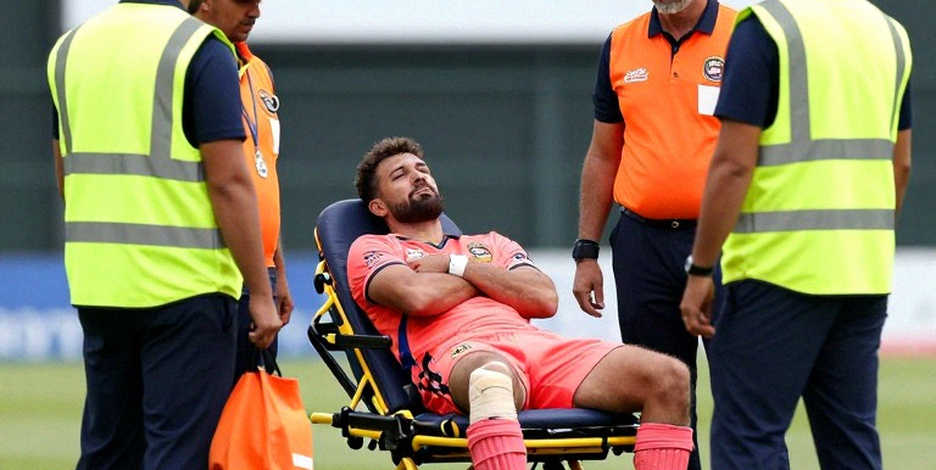
Sadman Islam is expected to miss more than a month after suffering an ankle injury. Mahmudul Hasan Joy is also unavailable on medical grounds. Robin’s selection therefore addresses more than a vacancy. Chief selector Habibul Bashar Suman has said that Bangladesh have been looking for a right-handed opener for some time.
That makes the call-up strategically relevant, but it does not make Robin an established international opener. The supplied report contains no publication date, no first-class figures, no A-team scorecards and no innings-level record for Naeem. The information is therefore enough to analyse the selection logic, but not enough to certify the players’ readiness.
Context: Injury Has Narrowed the Options
According to the chief selector, Bangladesh wanted a right-handed opening option and were encouraged by Robin’s performance for the Bangladesh A team in South Africa. Those are two separate selection arguments. One is about team balance and role definition; the other is about exposure to the conditions in which the senior team will compete.

Opening in South Africa is a demanding Test assignment. Seam movement, bounce and high-quality pace expose technical uncertainty quickly. Yet handedness alone cannot solve that problem. The more important questions concern judgment outside off stump, defensive footwork, control against the short ball and the ability to leave well during the new-ball phase.
The simultaneous absence of Sadman and Joy has reduced Bangladesh’s continuity at the top of the order. Losing one opener can be managed through experience and replacement planning. Losing two players from the same role forces selectors to compress the distance between development and international responsibility.
Naeem’s recall offers a different kind of cover. The chief selector has linked his return to current form. Robin has been chosen through a combination of role requirement and A-team exposure, while Naeem has been brought back as a more immediate performance-based option.
Core Analysis: How Large Is the Robin Gamble?
Robin’s selection signals a future opening plan, but it should not yet be treated as proof that Bangladesh have found a finished international batter.
Playing for an A team in South Africa can provide valuable information. It exposes a player to travel demands, local conditions, unfamiliar venues and the types of bowling expected at senior level. It also allows selectors to observe preparation and decision-making away from domestic comfort.
The gap between A-team cricket and senior Test cricket remains substantial. The report gives no details of Robin’s runs, average, innings, balls faced or dismissal patterns. We therefore cannot know whether the selection rests on a substantial performance sample or on a smaller set of observations. A handful of productive innings can create a case for opportunity; international reliability requires a much larger sample.
Robin’s first examination in South Africa will be about decisions before it is about totals. Can he leave the ball outside off stump? Will he trust his front-foot defence? Can he control the short ball without creating a catching opportunity? None of these answers is contained in a selection announcement. They will appear in the first spell of a Test match.
His right-handed profile may still provide useful tactical flexibility. If the available opening group is dominated by left-handers, a right-left combination can alter the bowler’s line and the captain’s field settings. But that advantage only matters if the pair can survive the first passage of play. A change of hand does not remove seam movement or bounce.
Naeem’s recall has more immediate value. A batter selected on current form can provide experience while reducing the need to depend entirely on a debutant. Yet the same evidence problem applies. How many innings define that form? Against what quality of opposition? Did those performances include meaningful new-ball exposure? Until those details are published, form is a useful signal rather than conclusive evidence.
Naeem addresses the present requirement; Robin represents the future option. That distinction explains the logic of selecting both. Bangladesh need stability for the tour and a replacement pathway for the next selection cycle. The two players serve different parts of that problem.
Sadman’s injury and Joy’s medical unavailability should not automatically be described as a selection failure. Injuries can alter any squad. The more useful question is whether Bangladesh possess enough depth behind their preferred openers. If either absence extends into the next assignment, Robin and Naeem will become more than temporary cover. Their performances will begin to shape the succession plan.
Soumya Sarkar’s situation is different. The report says he had previously been included in a squad without receiving an opportunity and that his current form is now a concern. Squad membership and selection in the playing XI are separate stages. Exclusion after a period on the bench does not end a Test career, but continued uncertainty around form can reduce a selector’s willingness to wait.
The next assessment should focus on first-class and Test-specific evidence. Batting average matters, but so do balls faced per dismissal, first-innings output, performance against pace and dismissal patterns in overseas conditions. An opener’s value is measured by more than runs; it also lies in surviving the difficult new-ball phase and allowing the rest of the order to begin from a stable platform.
Contrarian View: Is This a Structural Crisis?
The combination of two injuries and a first national call-up creates an obvious crisis narrative. But the available evidence does not justify extending that conclusion to Bangladesh’s entire Test batting structure. It identifies immediate pressure at the top of the order. It provides no reliable evidence about the middle order, bowling balance, ranking position or World Test Championship trajectory.
Selection news is often converted into a larger story than the sample can support. If Robin succeeds, the announcement may be described as the start of a new generation. If he struggles, the selection itself may be judged reckless. Both conclusions would be premature after one Test or a few innings. A debut selection measures opportunity, not proven ability.
Years of watching selection cycles have taught me that A-team performance is frequently transferred too directly into expectations at senior level. A-team exposure is valuable, but it can shorten the transition; it cannot remove it. The same applies to Naeem. Good recent form can justify a recall, but only a sustained record can establish that the improvement is durable.
The injuries may nevertheless create a useful development window. Players who might otherwise have waited can now be evaluated in a demanding environment. Bangladesh should assess Robin through technical evidence, not only the number of runs he scores. A low score after sound decision-making can reveal more than a fortunate fifty built around loose shots.
Forward Signal
Bangladesh’s central test in South Africa will be whether Robin and Naeem can manage the new ball for long enough to stabilise the innings. Sadman and Joy’s eventual returns may restore options, but Robin’s performance could reshape the opening debate for the next six to twelve months. The decisive signals will be opening-partnership stability, balls faced against pace and genuine match fitness after injury. The important question is no longer whether Robin has received a call-up. It is whether Bangladesh can turn that opportunity into a durable succession plan.